ECUADOR
Wildlife: the New Spoils of Organized Crime
by María Belén Arroyo, Arturo Torres y Adrián Alvarez
In the heart of Yasuní National Park, in the Amazon, this reporting team confirmed that outside actors are arriving from Peru to capture threatened wildlife species. Since 2023, authorities have seized 14 specimens of wild fauna from criminal groups, which use them as status symbols tied to their own names: Los Lobos, Tiguerones, Lagartos. Weak institutions make it relatively easy to gain access to protected species.
He was a Pikena, a shaman of the Waorani people. His name was Kemperi Baihua, and he died in March 2023. In Bameno, his community, they say he lived more than a hundred years and possessed the spirit of the meñe, the jaguar. The feline warned him in dreams whether the next day the Waorani could walk the forest in search of bushmeat without risking encounters with their distant relatives, the Indigenous peoples living in voluntary isolation. Kemperi, the last great jaguar shaman, “departed to the stars,” they recounted, gathered around a fire while cooking cassava and freshly hunted meat.
The Waorani in Ecuador are the country’s most recently contacted Indigenous group. In the late 1950s, a handful of U.S. Protestant missionaries arrived by air in this remote corner of the Amazon to evangelize the patas coloradas, as they were called. All the occupants of the small aircraft were killed by spears. That is how the isolation ended, although two related clans chose to avoid contact and went deep into the forest.
The community of Bameno is located in the heart of Yasuní National Park, in the provinces of Orellana and Pastaza, in the cantons of Arajuno and Aguarico. Yasuní, a protected area roughly half the size of El Salvador, allowed species of flora and fauna to survive the Ice Ages for thousands of years. This is why it is one of the most biodiverse places on the planet. It is home to 1,300 tree species, 610 bird species, 268 fish species, and 200 mammal species. In terms of plant diversity, it surpasses Canada and the United States combined.
UNESCO designated it a Biosphere Reserve in 1989. According to scientific studies, during the Pleistocene, climatic changes caused the forests to become refuges for flora and fauna, while new species evolved. These spaces are known as Pleistocene refugia. The period began 120,000 years ago and ended less than 11,000 years ago.
Bameno now faces new threats, especially the intrusion of criminals, some from Peru, seeking timber and protected wildlife. People do not know who the cowori (outsiders) are, but they do know they arrive armed. In response to the advance of organized crime, Waorani communities from Bameno and Kichwa communities from Kawsay Sacha conduct ongoing patrols along the Cononaco, Curaray and Quebrada del Lobo rivers, supported by organizations including the Alejandro Labaka Foundation and the FEPP Social Group.
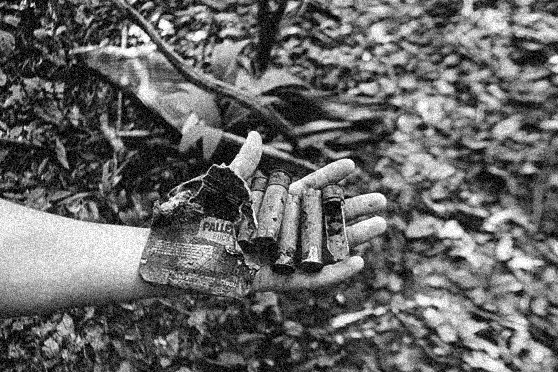
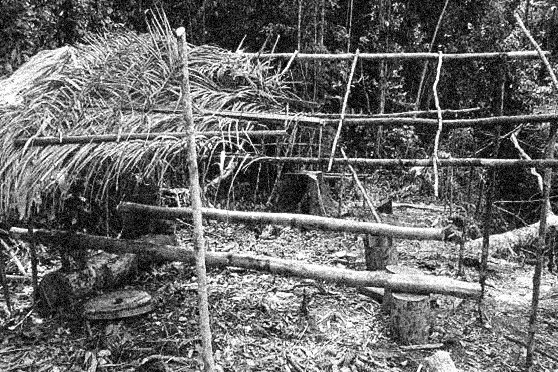
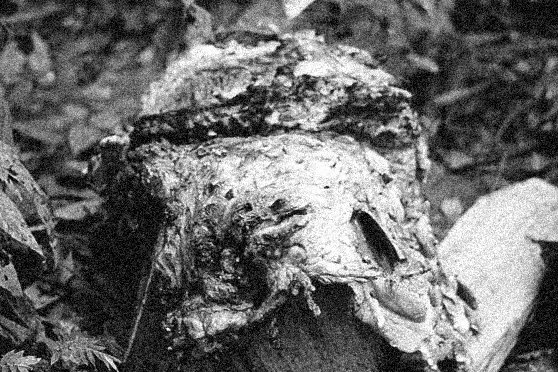
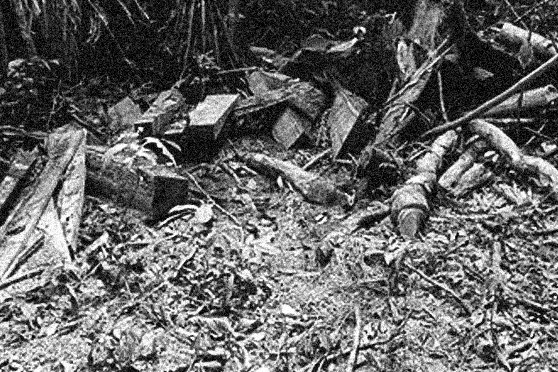
According to one community guardian, the findings are alarming. They reveal the scale of exploitation: illegal hunting camps, logging of threatened species, and illegal infrastructure—pathways up to 12 meters wide have been cleared, he says. But there are also signs of brutal poaching. “We have found decapitated and mutilated animals,” one of the guides said in mid-October 2025. He recalled how Kemperi warned his people about the dangers posed by the cowori.
Bushmeat
The goal of these incursions is the large-scale extraction of bushmeat for commercial sale. The outsiders take fish from lagoons and rivers, as well as mammals and reptiles. Community guardians report that once the intruders fill their barges with the haul, they return to Peru to sell it on the black market, where both meat and live animals fetch high prices.
One community guardian explained that wildlife trafficking has at least four serious consequences for the Waorani in Bameno. First, the massive removal of animals and fish threatens the Waorani’s food supply, as this meat is part of their ancestral diet and main source of protein. Second, when outsiders enter their territories, they endanger the survival of the last Indigenous peoples living in voluntary isolation, who have no immunity to common diseases such as influenza. Third, cultural tourism is affected, since Bameno regularly receives foreign visitors, and news like this discourages them. Finally, the theft of their animals leaves the communities feeling vulnerable and unprotected.
In the jungle near Bameno, there is a military detachment in Cononaco and a Ministry of Environment checkpoint. Until 2020, the latter had been abandoned. It was invaded and partially burned, facilitating illegal passage. Although the post is now operational, fuel shortages and geographical distances limit monitoring capacity, according to the interviewed guide.
Despite these limitations, collaboration between the communities and the state yields results. In July 2025, the Waorani of Bameno and Kichwa of Kawsay Sacha reported the presence of an illegal Peruvian barge on the Cononaco River. The army and Ministry of Environment officials intercepted the vessel, which was loaded with salted and dried bushmeat, peccary hides, and live turtles, although the species could not be identified.
According to another community guide, who requested anonymity, this criminal pattern is draining Yasuní of its wildlife, one of the most biodiverse areas in the Amazon. Many wonder why so many animals are taken. Some Waorani pray to the spirit of the jaguar, asking it not to abandon them in the forest.
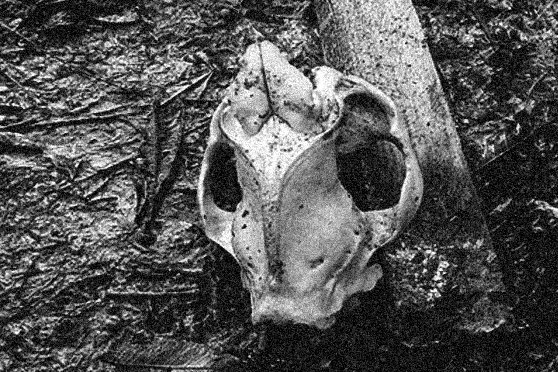
In the Hands of Crime
Jaguars, margays, caimans, macaws: all these Amazonian animals face varying levels of threat from climate change, deforestation, and illegal hunting. But recently, they have confronted another shared threat: they are coveted by organized crime groups operating in Ecuador.
Exotic species have become the new spoils for drug-trafficking groups. This phenomenon has intensified over the past two years in the country, where every hour a person dies as a result of violence.
For six months, a team of reporters traced the connections between criminal organizations and wild animals turned into pets, symbols of power over rival groups, or representations of identity and ritual for violent factions.
At least four criminal networks—Los Choneros, Tiguerones, Lobos, and Lagartos—exploit threatened wildlife species. Until 2020, Los Choneros dominated the criminal map. That year, Jorge Luis Zambrano, Rasquiña, their leader, was gunned down. The ensuing dispute over leadership succession caused violent groups in Ecuador to fragment. By early 2024, the government of Daniel Noboa had identified 22 such groups.
Los Choneros traffic drugs along the Pacific. Along their criminal routes, they capture sharks and promote the illegal trade of fins, which are highly valued in Asian markets, especially China, for their alleged aphrodisiac properties. Los Lobos, a faction that split from Los Choneros and is now in conflict with them, has reached Peru and Chile. Their criminal portfolio includes micro-trafficking, extortion, and control of illegal mining. They are attributed with the murder of presidential candidate Fernando Villavicencio, who was killed while leaving a campaign rally in August 2023, just days before the elections. Los Lobos seek to extend their dominance over maritime drug routes. In their conflict with Los Choneros, they have turned the western province of Manabí into a violent territory.
Under the condition of anonymity, intelligence agents revealed that Andean foxes (Lycalopex culpaeus), a species inhabiting Ecuador’s highland areas, are captured by members of this criminal group for ritual purposes. According to a police officer, a juvenile was found during a control operation at Latacunga prison in Cotopaxi, a facility dominated by the organization.
Since 2008, the Ecuadorian constitution has recognized the rights of nature. In theory, this constitutional text guarantees environmental protection. Later, in 2022, the Constitutional Court went further. That year, a family that had raised a brown-mantled howler monkey (Lagothrix lagothricha) for 18 years, whom they called Estrellita, filed a habeas corpuspetition, a legal measure seeking her return on the grounds that her seizure by environmental authorities and relocation to a zoo was illegal. The monkey died shortly thereafter, unbeknownst to the family. The case escalated to the Constitutional Court, which ruled that animals “should not be protected solely from an ecosystem perspective or with regard to human needs, but primarily from a perspective centered on their individuality.” Despite this ruling, authorities have seized 19,947 animals since 2022, including 22 ocelots (Leopardus pardalis), 51 margays (Leopardus wiedii), and 241 caimans (Caiman crocodilus, Melanosuchus niger, and Crocodylus acutus).
Where the Specimens Come From
This investigation identified three hotspots for the illegal trafficking of native species in Ecuador’s Amazon, in the provinces of Orellana and Pastaza. Animals are sold alive, dead, or in parts. especially those whose meat is used as food in Indigenous communities.
These illegal wildlife networks exploit national laws that guarantee ancestral peoples the right to harvest forest meat for their subsistence, as it forms a key part of their traditional diet. The arrival of oil and mining operations in the region has opened roads into previously inaccessible areas. An activist from Puyo, who spoke on condition of anonymity, said this has increased pressure from settlers eager to sample the highly prized “bushmeat” of species such as peccaries, monkeys, and tapirs. Social media has further fueled demand, with a single dish sometimes costing ten times the price of a pound of wildlife meat. What was once solely part of Indigenous diets is now sought after by mestizo consumers as well.
According to an officer overseeing one of the three police units dedicated to wildlife protection, trafficking is heavily facilitated through online platforms and social networks. The officer, who requested anonymity, said he is frustrated: Ecuador has only two prosecutors specialized in environmental crimes, making it nearly impossible to bring cases to court that end in convictions.
Another officer, speaking off the record, acknowledged that the State simply lacks the capacity to protect threatened wildlife. Officials often point to criminal groups as the culprits, using this as a justification for the limited results.
Rescued Wildlife
Between 2023 and mid-2025, authorities confiscated 14 specimens of native and exotic animals during operations and raids targeting criminal organizations, according to the Ministry of Environment, Water, and Ecological Transition (MAATE), in response to an information request for this project. Several of the seized species are endangered and listed on the national and international Red List of the International Union for Conservation of Nature (IUCN). Many are also protected under the Convention on International Trade in Endangered Species of Wild Fauna and Flora (CITES).
The largest number of specimens recovered came from a raid on the property of Wilder Sánchez, better known as El Gato Farfán, who is currently awaiting sentencing in U.S. courts on drug trafficking charges.
It appears that El Gato Farfán tried to assemble a private zoo on one of his properties, in the style of Pablo Escobar, the infamous Colombian drug lord who housed a collection of wildlife at his Nápoles estate in Magdalena Medio, including four hippos.
“The local narco wants to resemble a recognized international trafficker; he aims to emulate that show of power, with countless properties and seemingly unlimited resources. There is a clear fascination with owning exotic animals that represent criminal organizations,” says retired General Freddy Sarzosa, former General Commander of the Police and Director of Investigations. According to Sarzosa, when the Ecuadorian government declared an internal war against organized crime and identified narco-terrorist structures as military targets, the magnitude of the problem became clear. General Sarzosa has over 35 years of experience.
The Tiguerones faction emerged after 2020 in the coastal province of Esmeraldas, bordering Colombia. Members of this group possessed ocelots (Leopardus pardalis). Two ocelots were rescued in joint operations with public authorities, in February 2024 and June 2025. The most recently rescued specimen showed signs of malnutrition, as it had been fed an inadequate diet by its captors.
In June 2024, two caimans (Caiman crocodilus) were freed from members of Los Lagartos. There was another unrecorded case that year involving this species.
Wild fauna rescued by the Environmental Protection Unit of the Police
* Source: UPMA de la Policía Nacional
2020
It includes 5 ocelots, 24 tigrillos, and 78 caimans.
2021
It includes 3 ocelots, 37 tigrillos, and 65 caimans.
2022
It includes 3 ocelots, 27 tigrillos, and 64 caimans.
2023
It includes 4 ocelots, 9 tigrillos, and 77 caimans.
2024
It includes 8 ocelots, 10 tigrillos, and 49 caimans.
2025
It includes 7 ocelots, 5 tigrillos, and 51 caimans.
Tracking the Jaguars of Gato Farfán
In April 2023, police officers raided a property in the coastal province of Manabí. “We expected to find a luxurious house. Instead, we came across a small zoo with jaguars and exotic birds. We had never seen anything like it. We had to call the environmental police,” said an officer involved in the discovery of Wilder Sánchez’s zoo, known as Gato Farfán. The officer spoke to this reporting team on condition of anonymity for security reasons.
The U.S. Treasury Department’s Office of Foreign Assets Control (OFAC) identified Gato Farfán as contributing to the illicit activities of Mexican cartels in cocaine trafficking to the United States. He was arrested in Colombia in February 2023 and deported to the U.S. in January 2024, where he pleaded guilty. His trial is scheduled for November this year.
Three months after his arrest in Colombia, Ecuadorian authorities raided several of his properties. During the raid at the San Vicente estate in Manabí, officials rescued ten animals from protected and threatened species, according to a report from the Ministry of Environment (MAATE). Seven of the animals were native to the Amazon region, including four blue-and-yellow macaws (Ara ararauna), two jaguars (Panthera onca), and a green parrot (Amazona farinosa). Additionally, they found three exotic birds from Asia: two golden pheasants (Chrysolophus pictus), native to China’s mountains and symbols of prosperity, and a silver pheasant (Lophura nycthemera), also from China.
The route by which these rare birds entered Ecuador could not be established, but an expert in money laundering speculated that they may have been purchased on the black market as a means of laundering funds. The current location of the exotic birds is unknown.
According to MAATE, the animals rescued from that operation “were transferred to wildlife conservation and ex situ management facilities.”
The New Home of the Rescued Animals
A journalist from this project visited the jaguars and several other animals rescued from organized crime in a protected facility. According to one caretaker, they have adapted well to their new habitat. The location, in a coastal province, cannot be disclosed to protect the safety of both the animals and their caretakers.
The wildlife refuge, with multiple suitable habitats, also houses caimans and margays rescued by environmental authorities.
Gato Farfán’s assets remain part of an ongoing legal process for alleged money laundering. The jaguars, listed as Near Threatened on the IUCN Red List, are endangered in Ecuador, according to Galo Zapata, scientific director of the Wildlife Conservation Society (WCS) in Ecuador. Historically, these felines inhabited both the coastal and Amazon regions, but their populations declined due to deforestation and illegal hunting. Their diet includes more than a hundred species, and they typically live in areas with access to salt licks, which provide essential minerals.
Jaguars and hunters seeking bushmeat compete for the same prey within their territory. “The forest’s carrying capacity for wild meat is one person per square kilometer; according to the latest population census, there are seven people per square kilometer in the Ecuadorian Amazon,” explains Zapata.
Jaguars often go hungry because the bushmeat supply feeds an illegal market that exceeds the ancestral consumption reserved for Indigenous populations. “A jaguar needs to stay with its mother for two years to survive in the forest. If the mother dies and the cubs are left alone, their chances of survival are nil.”
Each jaguar is unique, with distinctive markings on its coat, explains Citlalli Morelos, a Mexican biologist and biodiversity expert who settled in the Esmeraldas province near Colombia. She founded the Tesoro Escondido reserve, protecting over two thousand hectares of primary forest in the lowlands of the Chocó, a global biodiversity hotspot threatened by logging, monocultures, and mining concessions.
The project initially aimed to protect a spider monkey species, but camera traps detected jaguar activity. Today, programs are being developed to foster coexistence with wildlife in its natural habitat.
“Through educational programs, we teach children to be proud of living near jaguars, to appreciate and care for them rather than see them as threats,” says the biologist. Local farmers, mostly settlers, also learn to protect their livestock using bells as deterrents.
The jaguar remains a symbol of strength in Ecuador’s ancestral cultures. Kemperi, the last great jaguar shaman, dreamed that the sacred spirit would protect the Waorani and the forest—but he also warned that new threats were approaching.