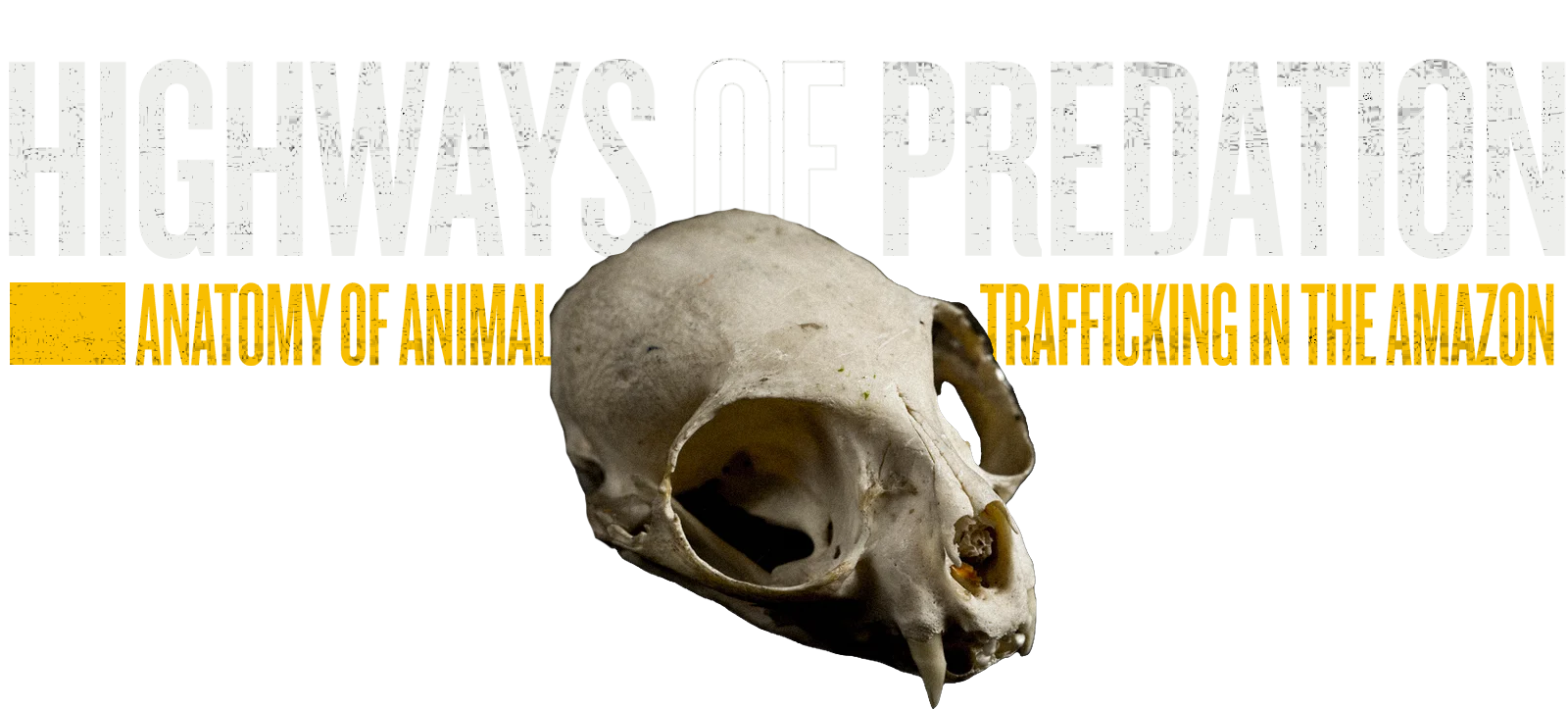





For nearly a year, journalists from five media outlets in Colombia, Ecuador, Peru, Bolivia, and Brazil reported on the poaching, smuggling, and trade of fauna in the region. The investigation found that millions of parrots, ornamental fish, turtles, and other animals are being captured and transported illegally to the United States, Asia, and Europe.
Wildlife trafficking is one of the world’s shadiest criminal activities. Every year, Galapagos tortoises, jaguars, pangolins, sun bears, tarantulas, hummingbirds, whales, and millions of animals belonging to thousands of different species are captured and sold halfway around the world as pets, collectibles, gourmet treats, or ingredients in traditional medicines supposedly capable of curing impotence, rheumatism, cancer, and other ailments. Despite the volume and magnitude of the trade, no one knows the exact size of the market or the total number of animals that are annually taken from their habitats.
A few estimates show the scale of the problem. According to several studies, wildlife trafficking is worth between 7 billion and 23 billion dollars per year. If the latter figure is correct, this means that this crime’s estimated annual value is nearly 1.75 times the Europe’s cocaine market. If the true size corresponds to the former, that equals almost twice the GDP of a country like Belize.
One report calculated that between 2015 and 2021 nearly 13 million animals —approximately 1.84 million per year— were funneled into the illegal trade, the fourth largest in the world, following narcotics, human trafficking, and counterfeit goods, according to the United States government.
As organizations like TRAFFIC and Wildlife Conservation Society have pointed out, a significant part of the animals bought and sold as part of that market are captured in the Amazon, the largest tropical rainforest and the home of nearly 10% of the planet’s species. However, due to its fragmented geography and the porosity of the borders of the nine countries where its forests still survive, there is very little information about wildlife trafficking in the region. This has allowed criminals to continue operating in the dark and prevented authorities from dedicating sufficient resources to combat this illegal activity.
Against this background, journalists from CasaMacondo, in Colombia; Revista Vistazo and Código Vidrio, in Ecuador; OjoPúblico, in Perú; Revista Nómadas, in Bolivia; and Amazônia Latitude, in Brasil, worked together for nearly a year to unravel wildlife trafficking Amazon by requesting, unifying, and analyzing fauna confiscation data in those five countries.
COLOMBIA
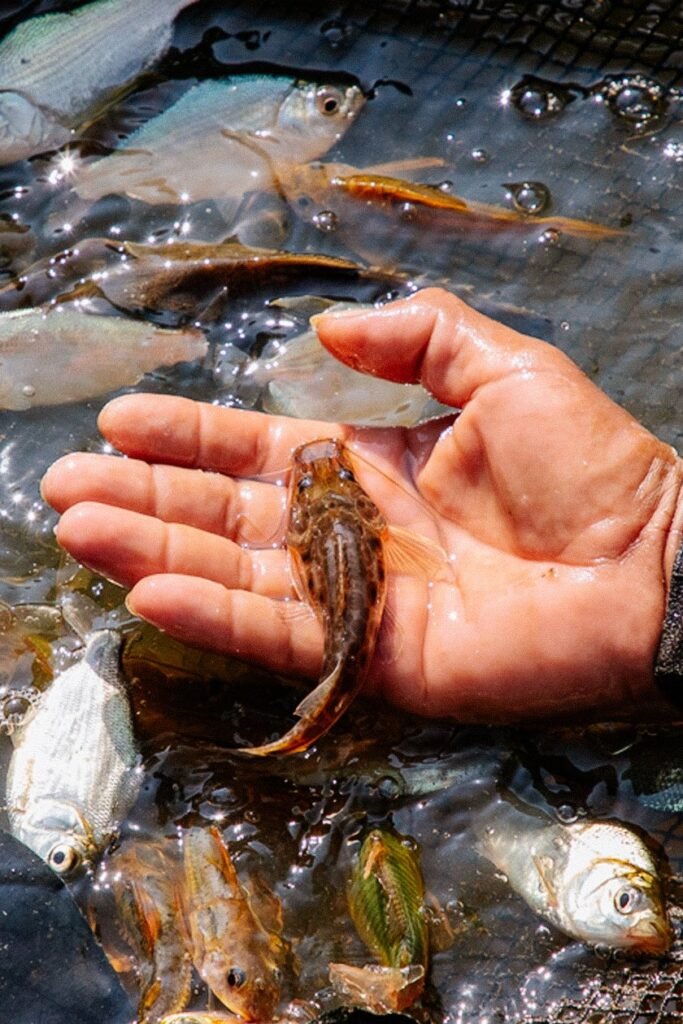
THE SECRET CURRENT: THE FLOW OF THE ORNAMENTAL FISH TRADE IN THE COLOMBIAN AMAZON
Ornamental fish are the most trafficked animals in the Amazon. Journalist Santiago Wills investigated their legal and illegal trade to understand how a business that begins in the country’s main river basins ends up in home aquariums around the world.
PERÚ
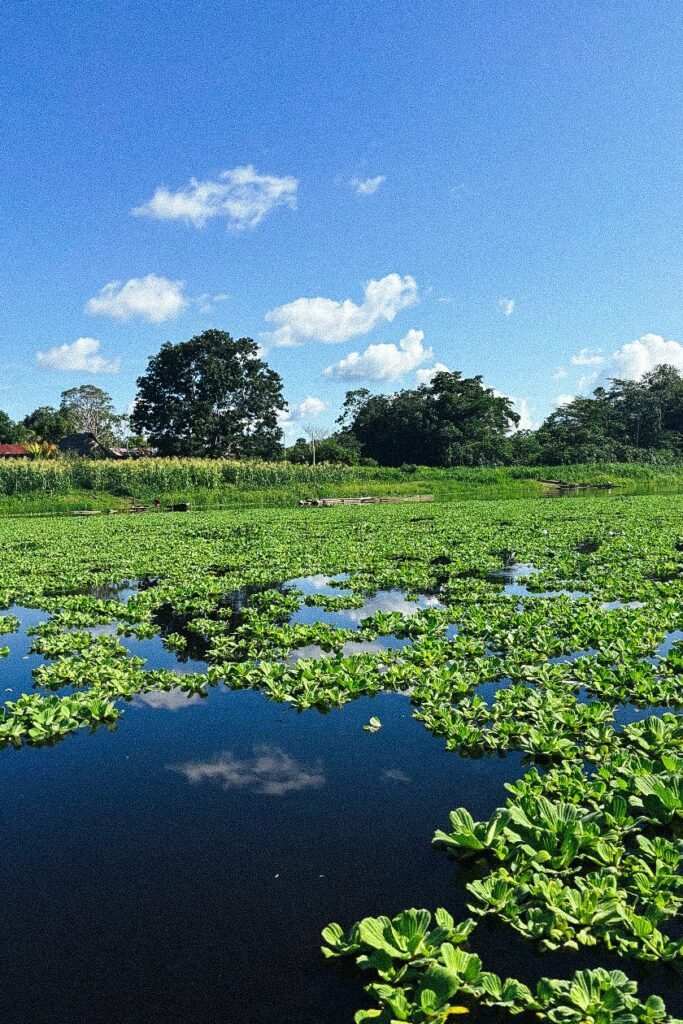
THE MODEL THAT IS IMPOVERISHING AMAZONIAN TURTLE GUARDIANS
More than one million taricaya turtles are bred each year in the Peruvian Amazon under a state-run program that promised sustainable income for local communities. Autopistas de Depredación, an investigation by five independent media outlets, found that the project not only fuels a declining market but is also linked to the illegal trafficking of species.
ECUADOR
WILDLIFE: THE NEW SPOILS OF ORGANIZED CRIME
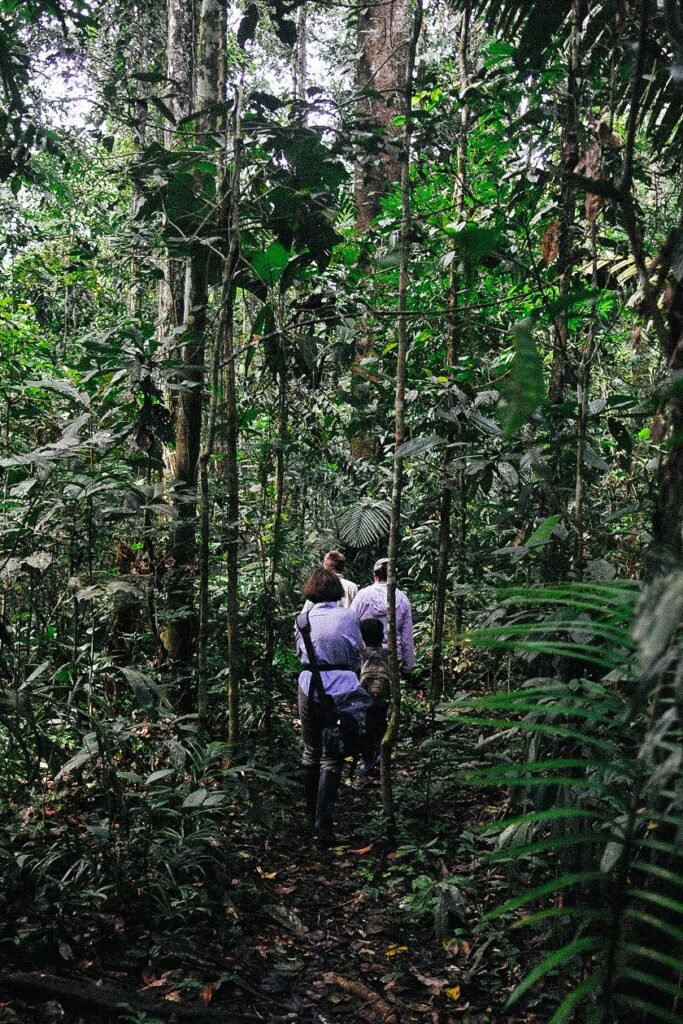
In the heart of Yasuní National Park in the Amazon, this team confirmed that outside actors arrive from Peru to take threatened wildlife species. Since 2023, authorities have seized 14 wild animals from the clutches of criminal groups, which use them as status symbols linked to their names. Institutional weakness makes it relatively easy to access protected species.
BOLIVIA
CRIMES IN THE RIVERBANKS: TURTLES TRAFFICKED FOR GASTRONOMIC PURPOSES
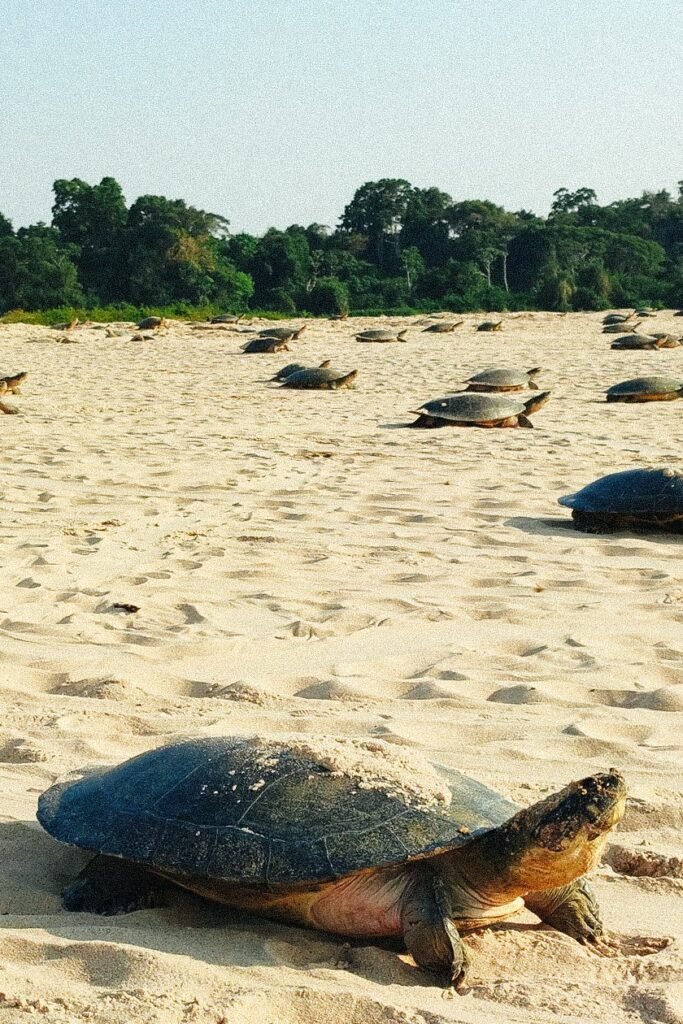
The trafficking of tataruga eggs, an endangered species in Bolivia, moves up to three million units a year within communities in the Beni region. Demand for this gastronomic delicacy during the nesting season is decimating the population of South America’s largest turtle.
BRASIL
BRAZIL WITHOUT FIGURES - THE AMAZON WITHOUT WINGS
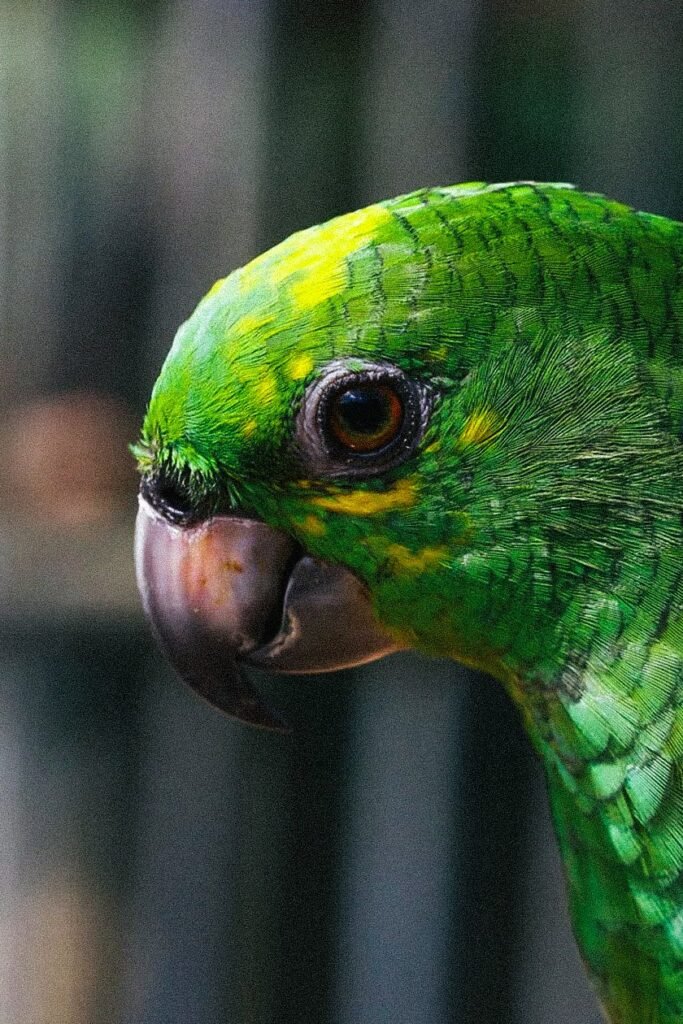
“It is far more likely that we will lose Brazil’s wildlife to trafficking than to climate change,” Antônio Carvalho, a specialist in wildlife trafficking, told Amazônia Latitude. For nearly a year, the outlet investigated the illegal trade routes of birds and other animals in the Brazilian Amazon.
ECUADOR
SHARKS: EASY PREY FOR THE CRIMINAL WORLD
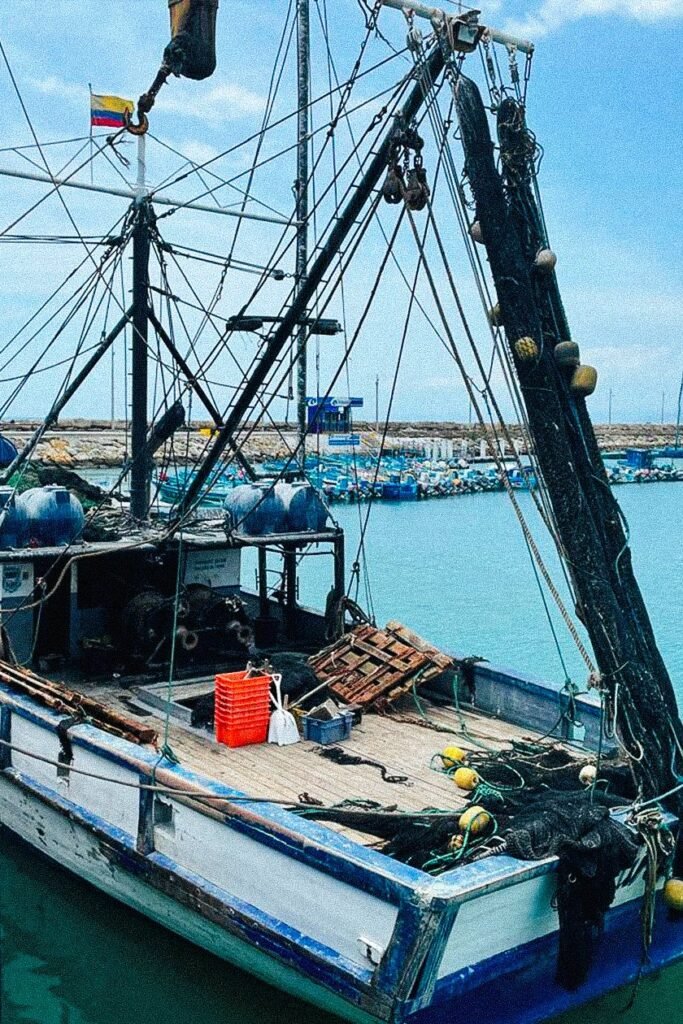
Los Choneros, once the hegemonic criminal group in Manabí, are linked to the capture and finning of sharks, an activity that complements the shipment of drugs and fuel across the Pacific Ocean. But they are not the only actors in the illegal market. Los Lobos have begun to challenge their control, as revealed by the Briones Chiquito case. The role of the Chinese fleet remains a mystery and could be connected to the extraction of marine wildlife species.
It wasn’t a straightforward task. In Colombia, for instance, we sent 45 derechos de petición —the equivalent of U.S. Freedom of Information Act requests— to more than 30 environmental entities. We were then forced to sue the government in more than a dozen cases to compel them to turn over the data. A judge threatened to hold in contempt the Ministry of the Environment, which gave us the information (still incomplete) only after that judicial admonition. That was from the worst case. In Ecuador, the data authorities had wasn’t discriminated by species, but rather by common names, which made it impossible to include it in the final database. Something similar happened in Bolivia.
Despite these hurdles, the data obtained by the project shows that wildlife trafficking in the Amazon and the rest of the world has been significantly underestimated in reports published by NGOs, other journalists, and organisms like the United Nations. The analysis of the information —with its flaws, omissions, and caveats— found that between 2010 and 2025 authorities in Colombia, Brazil, Bolivia, Ecuador, and Peru confiscated or received more than 46 million animals, nearly 3 million per year, more than one and a half times the number of global confiscations reported by the United Nations.
Between 2010 and 2025, more than 46 million animals were seized in the Amazon.
The data includes the seizure of tens of millions of ornamental fish, the most trafficked kind of animal in the Amazon, mainly because of capture volumes and ease of transport, according to story from Colombia; more than 1,200,000 birds, including canaries and different species of parrots and macaws, per a story from Brazil; millions of turtle eggs and tens of thousands of live turtles, according to a report from Bolivia; and hundreds of sharks and mammals, including jaguars, ocelots, and foxes, which have become pets, symbols, and a source of funding for criminal organizations in Ecuador. The data does not include thousands of animals that have been “laundered” through wildlife breeding centers in countries like Peru, the world’s leading exporter of live animals taken from the wild. It doesn’t include either the hundreds of thousands of animals that communities in the Amazon capture and sell illegally, given the lack of viable economic alternatives.
Wildlife trafficking grows hand in hand with other crimes. NGOs like Earth League International y TRAFFIC have pointed out that there is a convergence with drug trafficking, smuggling, human trafficking, arms dealing, illegal mining, money laundering, and illegal logging. Our investigation found that, in many cases, criminal organizations are capturing and selling wildlife to fund their illegal operations or launder their money. Often, they are also transporting the animals to Asia, the United States, and Europe using the same routes designed for drugs and weapons.
From fish to jaguars: how the scale changes
Each bar shows, on a logarithmic scale, the recorded number of animals by taxonomic group.
Depredation Highways shows that the lives and stories of tens of millions of animals are being cut short every year. We only managed to highlight a few of them, but part of the project’s intent is to allow others to continue this work. Authorities, journalists, and investigators are welcome to consult and revise our data, so that they can shine a light on other species and individuals.